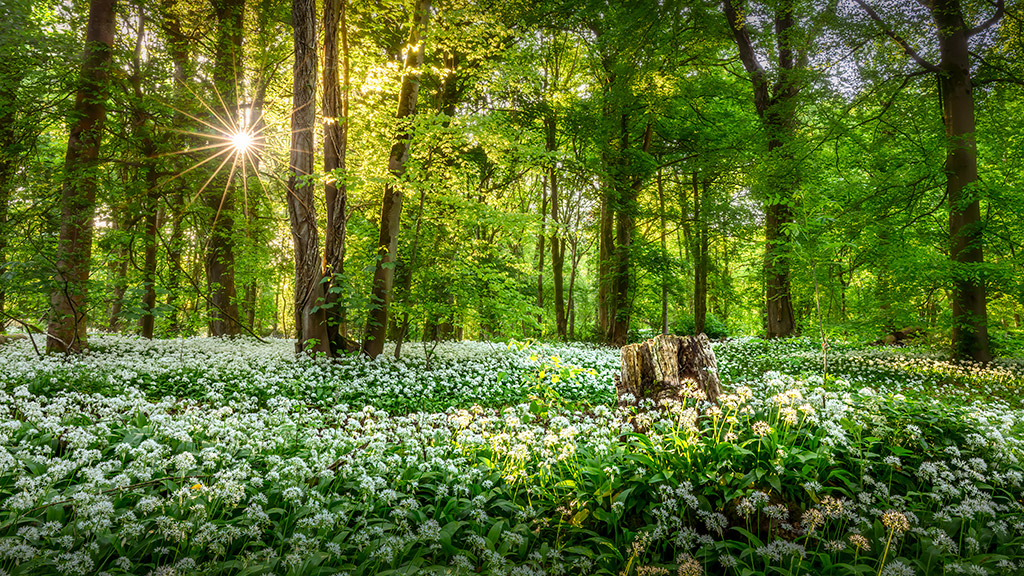
Wild Garlic Woodland Photography
Wild Garlic Woodland Photography – Photographing the Magic of Ancient Woods
There’s something incredibly special about walking into a woodland carpeted in wild garlic. The smell hits you first. Then the silence. Then suddenly, the forest floor erupts into a sea of white flowers stretching beneath twisting trees and soft green canopies. As a landscape photographer, it’s one of my favourite subjects to photograph every single year.
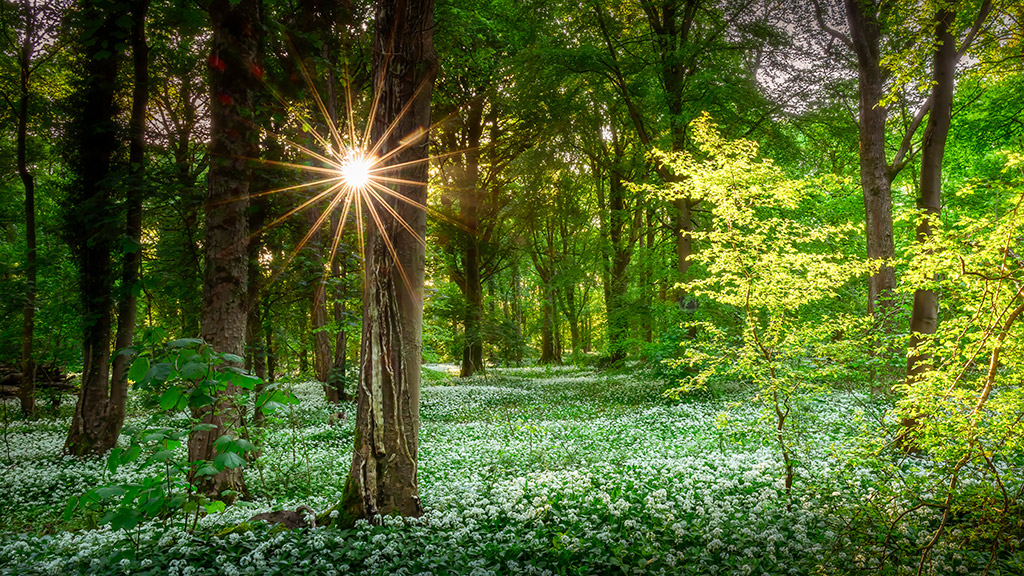
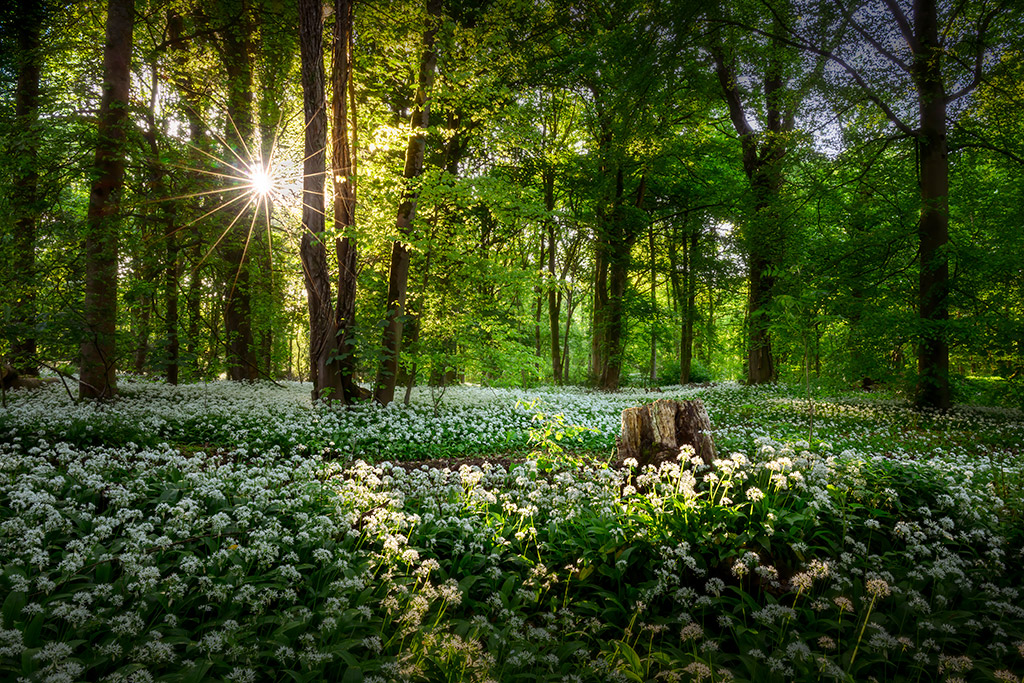
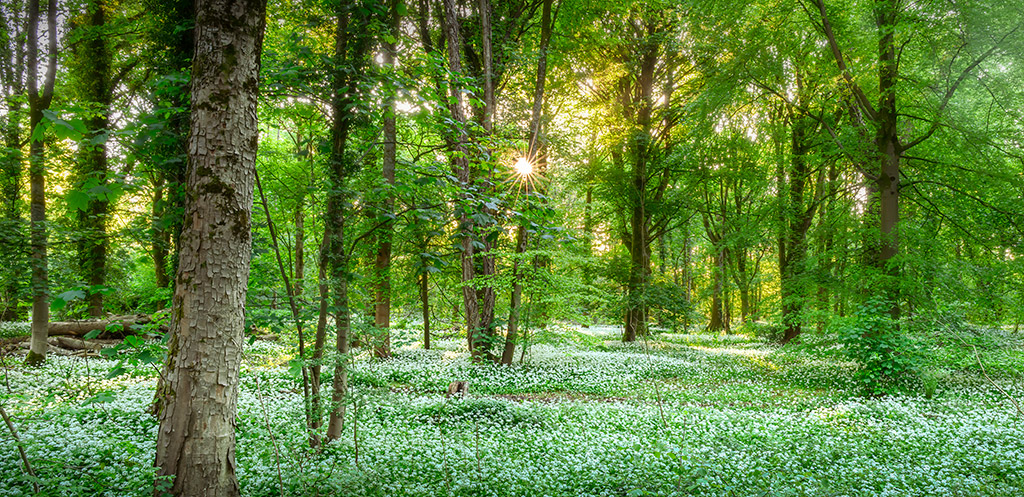
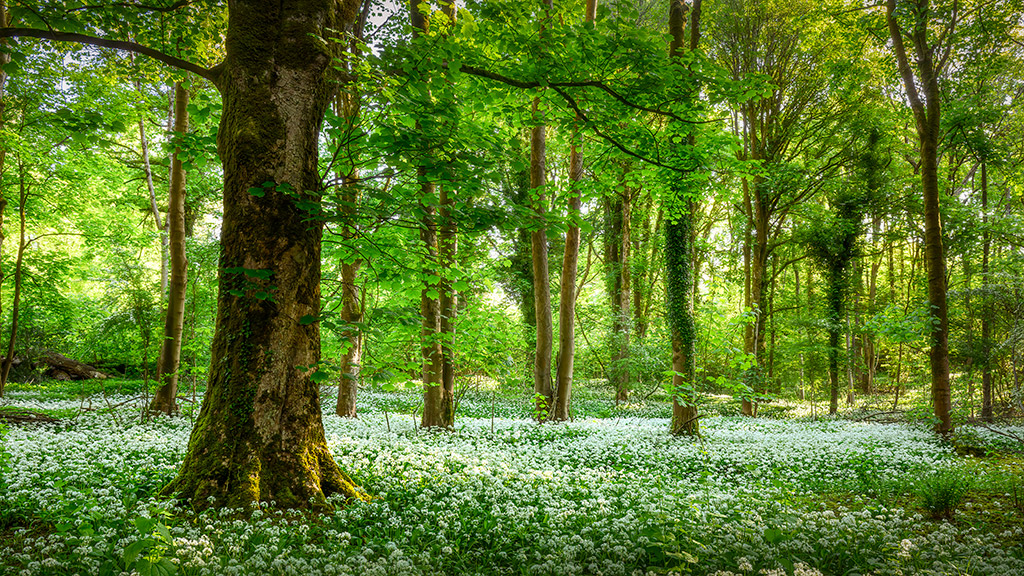
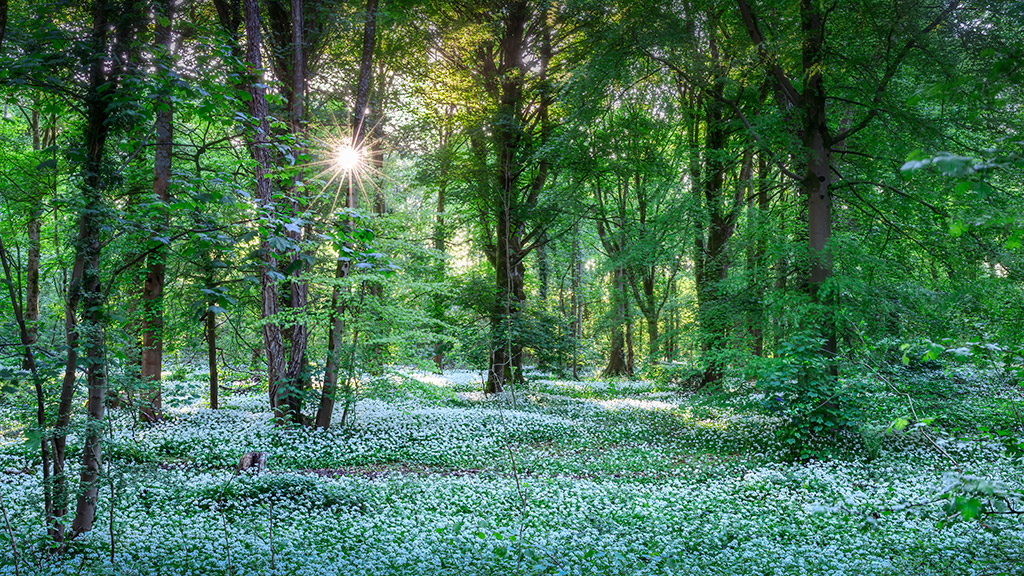
This spring was honestly one of the best displays of wild garlic I’ve ever witnessed. The woodland floor looked almost snow-covered in places, with thick blankets of flowers glowing beneath fresh spring leaves. It felt magical. Conditions like that are impossible to ignore as a photographer.
In my latest YouTube video, I head deep into the woods to photograph these incredible scenes, exploring compositions, changing light, and the challenges woodland photography always throws at us. Woodland photography is one of the hardest genres to master, but when it comes together, the results can be absolutely breathtaking. (Gary Gough Photography)
In this video, I head deep into the ancient woodland to photograph one of spring’s most breathtaking spectacles… wild garlic in full bloom. And honestly, I’ve never seen it like this before.
Why Wild Garlic Woods Are Perfect for Landscape Photography
Wild garlic, also known as ramsons, typically blooms during spring throughout ancient British woodlands. The flowers create strong foreground interest while the trees above provide depth, shape, and atmosphere.
For photographers, they offer:
- Natural leading lines
- Beautiful contrast between green and white
- Layered depth
- Atmospheric opportunities in mist or fog
- Endless compositional possibilities
The key is avoiding chaos. Woodland photography can quickly become messy and cluttered. Trees overlap, branches distract, and harsh light destroys atmosphere. That’s why conditions and composition matter so much.
When you find a woodland where the garlic naturally flows through the frame, weaving around trunks and pathways, you’ve struck gold.
The Best Time to Photograph Wild Garlic Woods
Timing is absolutely everything.
Wild garlic usually peaks between April and May here in the UK, depending on weather and location. But flowering alone isn’t enough. You still need the right conditions.
My Favourite Conditions
Mist and Fog
If you can photograph woodland in misty conditions, do it.
Fog simplifies woodland scenes beautifully by separating trees and reducing distracting detail. It creates depth naturally and adds atmosphere you simply cannot fake in editing.
Some of my favourite woodland images have been captured during soft foggy mornings where the light filters gently through the canopy. Diffused light transforms woodland photography completely. (Gary Gough Photography)
Overcast Light
Bright sunshine is often terrible for woodland photography.
Harsh sunlight creates ugly contrast, burnt highlights, and distracting patches of light all over the frame. A soft overcast morning is often far better.
Cloud acts like a giant softbox.
Early Morning
I nearly always prefer early mornings in woodland.
Not only do you get calmer conditions and softer light, but the woods feel alive. There’s atmosphere. Moisture hangs in the air. Everything feels fresher.
And if you’re lucky enough to combine early morning with mist? That’s woodland photography heaven.
Essential Gear for Woodland Photography
You don’t need loads of expensive equipment to photograph woodland well, but certain gear definitely helps.
Camera
Any modern camera will do the job. Dynamic range is helpful because woodland scenes often contain bright skies and dark shadows.
Personally, I’m more interested in light and composition than megapixels.
Lenses
Telephoto Lens
A telephoto lens is massively underrated in woodland photography.
Something like a 70-200mm allows you to compress layers of trees and isolate details within the chaos. It helps simplify scenes dramatically. (Gary Gough Photography)
I use telephoto lenses constantly in woodland.
Wide-Angle Lens
Wide lenses work brilliantly when you have strong foreground interest like garlic flowers leading into a scene.
The trick is getting close. Really close.
Don’t stand upright shooting downward. Get low and allow the flowers to dominate the foreground while the trees create depth behind them.
Prime Lenses
Fast primes can work beautifully in woodland too, especially for intimate scenes and detail shots.
Tripods Matter More Than You Think
Woodland photography often means:
- Low light
- Small apertures
- Careful compositions
A sturdy tripod slows you down and forces better decisions.
When photographers struggle in woodland, it’s often because they rush. Woodland scenes need patience. You have to study edges, branches, overlaps, and distractions carefully.
A tripod helps massively with that process.
Filters for Woodland Photography
Unlike seascape photography, I don’t use many filters in woodland.
However:
Polarising Filters
A polariser is incredibly useful.
It removes glare from leaves and enhances colour saturation naturally. Wet foliage especially comes alive with a circular polariser attached.
ND Filters
Occasionally useful for long exposures if streams or moving mist are involved.
But generally speaking, woodland photography is more about composition and atmosphere than dramatic long exposure work.
Composition Tips for Photographing Wild Garlic Woods
This is where things get tricky.
Woodland photography can become an absolute mess if you aren’t careful.
Simplify Everything
The biggest mistake photographers make is trying to include too much.
Instead:
- Look for order
- Isolate shapes
- Use pathways
- Find separation between trunks
- Remove distractions from edges
The human eye likes structure.
A winding woodland path cutting through wild garlic immediately gives the viewer somewhere to travel through the frame. (Elements Photography Magazine)
Use Layers
Depth is crucial.
Try working with:
- Foreground flowers
- Midground tree trunks
- Background light or mist
Those layers create dimension and atmosphere.
Get Low
Some of my favourite garlic woodland images happen when I place the camera almost at flower height.
This transforms the garlic into a dominant foreground subject instead of just a texture on the woodland floor.
Suddenly the viewer feels immersed within the scene.
Avoid Bright Sky
One of the fastest ways to ruin a woodland image is allowing bright white sky patches through the canopy.
Either:
- Exclude the sky entirely
- Wait for softer light
- Or use the canopy to naturally block highlights
Why Woodland Photography Is So Difficult
People often assume woodland photography is easy because forests are everywhere.
Honestly, it’s one of the hardest genres in landscape photography.
Unlike mountains or coastlines, woodland rarely presents obvious compositions. You have to search for order within chaos.
Every small movement changes relationships between trunks and branches. One distracting stick can ruin an otherwise beautiful image.
That’s why patience matters so much.
Sometimes I’ll spend 20 minutes moving a tripod a few inches left or right.
And sometimes the best decision is not taking the photograph at all.
How I Approach Woodland Photography Personally
When I arrive at a woodland location, I don’t immediately start shooting.
I walk.
I study the light.
I look for natural flow within the scene.
If wild garlic is involved, I search for:
- Curves
- Leading lines
- Variations in density
- Clean tree spacing
- Background separation
I also constantly think about how the eye travels through the image.
A good woodland photograph should guide the viewer naturally.
Weather Conditions That Work Best
Fog
The holy grail.
Fog simplifies complexity beautifully.
Light Rain
Underrated.
Rain saturates colours and adds mood. Wet tree trunks photograph beautifully.
Calm Conditions
Especially important if you’re shooting close foreground detail.
Wind destroys delicate flower compositions quickly.
Soft Side Light
If sunlight appears briefly through mist or gaps in the canopy, it can create incredible depth and atmosphere.
But timing becomes critical.
Common Woodland Photography Mistakes
Shooting Midday Sun
Probably the biggest one.
Harsh overhead light is rarely flattering in woodland.
Including Too Much
Simplify. Simplify. Simplify.
Ignoring Edges
Always check frame edges for distracting branches or bright spots.
Standing Too High
Lower perspectives often create far more immersive woodland images.
Rushing
Woodland photography rewards patience more than almost any other genre.
Editing Woodland Photography
Editing woodland images is usually about restraint.
I tend to:
- Reduce contrast slightly
- Maintain natural greens
- Dodge subtle areas of light
- Remove distractions carefully
- Preserve atmosphere
Over-editing woodland rarely works.
The magic is usually already there in the conditions.
The Emotional Side of Woodland Photography
One thing I love about photographing wild garlic woods is the sensory experience.
The smell of garlic drifting through ancient woodland.
The sound of birds echoing through mist.
Soft light filtering through leaves.
Photography slows me down in places like this.
And honestly, that’s part of why I keep returning every spring.
It’s not just about the final image.
It’s about experiencing the woodland properly.
Best Woodland Photography Locations in the UK
The UK has some incredible woodland photography locations if you know where to look.
Ancient woodlands often provide the best opportunities because:
- Tree structures are more interesting
- Ground cover feels natural
- Atmosphere is richer
- Paths and shapes feel organic
Some famous areas include:
- Derbyshire woodlands (Gary Gough Photography)
- Wistman’s Wood on Dartmoor (louthphotographicsociety.co.uk)
- Woodland areas throughout the Lake District
- Ancient forests in Yorkshire
- Scottish woodland glens
- Wild garlic woods in Wales (PhotoHound)
But honestly, you don’t need famous locations.
Some of the best woodland photography happens in tiny forgotten woods nobody talks about.
Final Thoughts on Photographing Wild Garlic Woods
Every spring I tell myself I’ve photographed enough wild garlic.
Then the woods erupt into bloom again and I’m straight back out there with the camera.
There’s just something magical about these places when conditions align.
Woodland photography can be frustrating. It can feel chaotic and overwhelming. But when mist drifts through the trees and soft light spills across a carpet of white garlic flowers, everything suddenly makes sense.
That’s the beauty of landscape photography.
Sometimes nature gives you moments that feel almost unreal.
And when it does, you simply have to grab the camera and head into the woods.
Woodland Photography Tips Quick Summary
- Shoot early morning whenever possible
- Fog and mist create atmosphere
- Overcast light works brilliantly
- Use telephoto lenses to simplify scenes
- Get low with wide-angle lenses
- Avoid bright sky patches
- Slow down and study compositions carefully
- Use a tripod for precision
- Simplify woodland chaos wherever possible
- Return repeatedly to good locations
Gary Gough
Professional Photographer | West Yorkshire
www.garygoughphotography.co.uk
► WORKSHOPS
► ABOUT ME
► MY GEAR
► FACEBOOK
► YOUTUBE
► INSTAGRAM
Tell us about your thoughtsWrite message